


Guide to Budget Friendly Solids for Baby
Introducing solids is an exciting milestone — and it can feel overwhelming. Knowing when to begin, which foods to offer, and how to keep costs down makes the first months much easier. This guide walks you through starting solids with a focus on baby‑led weaning (BLW), simple and affordable recipes, savvy shopping, batch cooking methods and safe freezing strategies. With a little planning you can serve nutritious, homemade meals without stretching your budget.
When and how to start solids: baby‑led weaning and developmental milestones
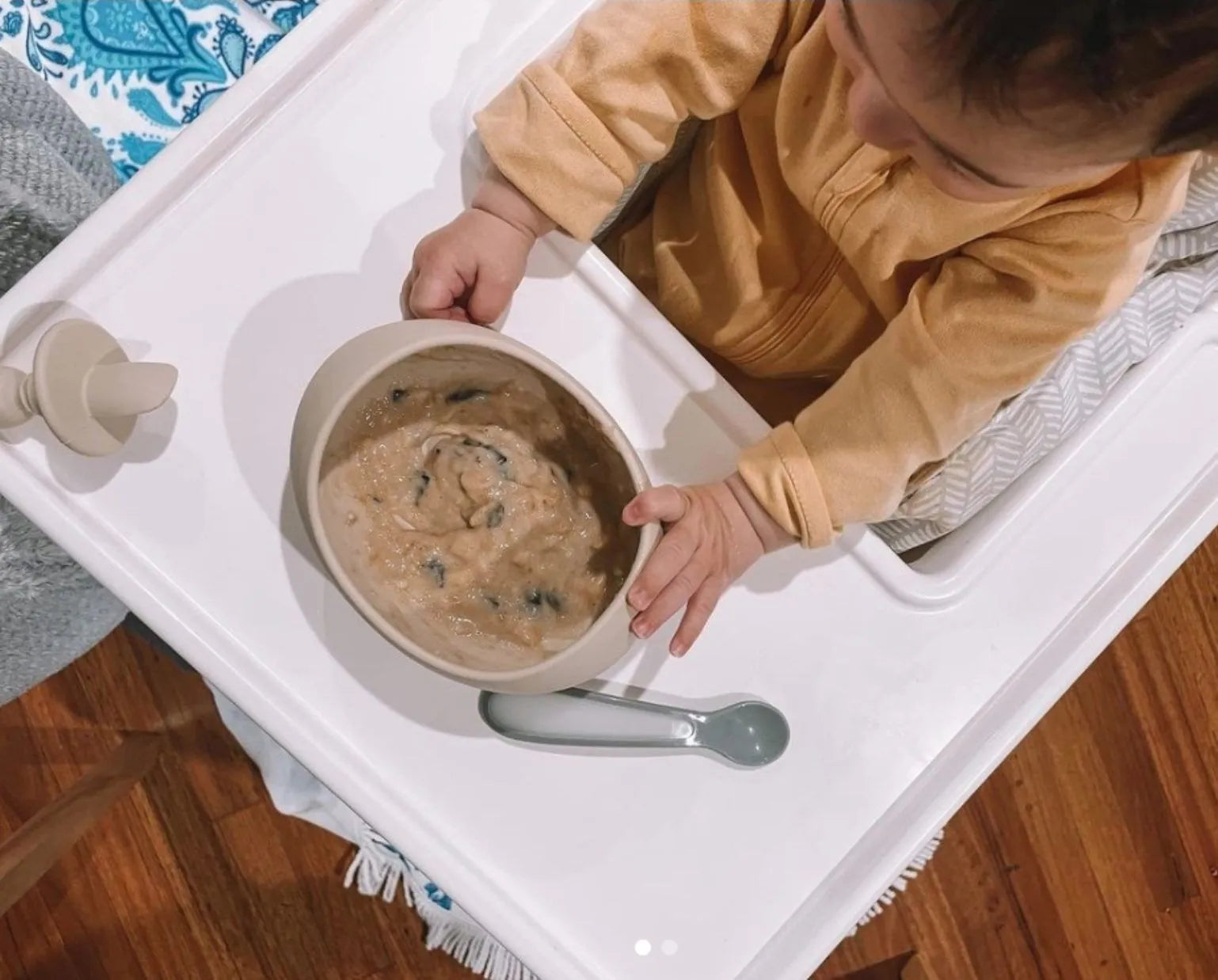
Timing and method matter when you start solids. Baby‑led weaning is a gentle, hands‑on approach that encourages babies to feed themselves and explore different textures and flavours. It supports independence and can help babies develop good eating skills — while exposing them to a wider variety of foods from the start.
What is baby‑led weaning and how does it support infant nutrition?
Baby‑led weaning means offering family foods in baby friendly sizes and letting your child self‑feed rather than spoon‑feeding purees. It lets babies use their senses to learn about food, practise hand‑to‑mouth coordination and develop taste preferences. By allowing babies to control the pace and amount they eat, BLW can encourage natural appetite regulation and a varied diet.
Research outlines the main ideas behind this approach and how it’s been used in recent years.
Baby‑Led Weaning Explained: Self‑Feeding Family Foods Over the past 10–15 years, an alternative approach called ‘baby‑led weaning’ has become more popular. This method involves letting infants self‑feed family foods and allowing the infant to set the pace and amount of the meal. Baby‑led weaning: the evidence to date, A Brown, 2017
Which developmental signs show readiness for solids?
Look for practical signs that your baby is ready to start solids:
-
Physical readiness: Your baby can sit up with minimal support and shows interest in food at mealtimes.
-
Fine‑motor skills: They can grasp objects and bring them to their mouth, which helps with self‑feeding.
-
Talk to your paediatrician: Always check with your child’s paediatrician to confirm they’re developmentally ready for solids.

What to cook: easy, budget‑friendly baby‑led weaning recipes
Keep meals simple, nutritious and easy to grab. Affordable recipes make starting solids much less stressful.
Which affordable recipes work well for starting solids?
Try these simple, wallet‑friendly ideas to begin:
-
Sweet potato mash: Steam and mash sweet potato for a naturally sweet, iron‑supporting option.
-
Avocado wedges: Soft, fatty and easy for little hands to hold — great for healthy fats.
-
Banana pancakes: Mix mashed banana with egg for a soft, handheld pancake that's easy to grasp.
How to build iron‑rich, nutrient‑dense meals?
Iron and nutrients matter at this stage. Small changes add up:
-
Add dark leafy greens: Spinach or kale can be blended into purees or mixed into pancakes.
-
Use fortified cereals: Stir into breastmilk or formula for an iron boost.
-
Include legumes: Beans and lentils are inexpensive sources of iron and protein — mash or blend them for baby‑friendly textures.
How to shop on a budget for baby food ingredients
Feeding your baby well doesn’t have to be expensive. A few simple strategies will keep costs down.
What are practical budget shopping tips for baby food?
Save money with these easy habits:
-
Plan meals: A weekly plan reduces impulse buys and food waste.
-
Buy in bulk: Grains, lentils and frozen fruit or veg are cheaper in larger quantities.
-
Use specials and coupons: Watch for sales, loyalty offers and bulk discounts to stretch your budget.
Which affordable feeding gear helps keep cooking costs low?
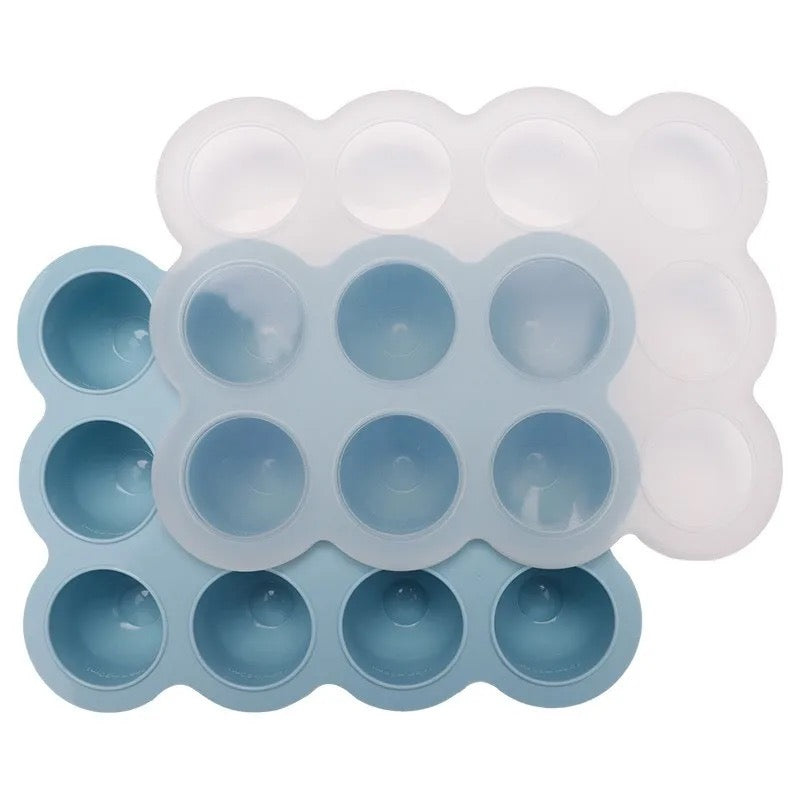
Smart, inexpensive silicone tableware can make home cooking simpler and reduce reliance on store‑bought baby food. simple silicone feeder freezing trays are great, stackable with lids and easy push out servings.
Check out our range of silicone tableware

How to batch‑cook for babies: time‑saving, cost‑effective techniques
Batch cooking saves time and reduces waste — ideal when you’re juggling nappies and naps.
Which batch‑cooking methods work best for baby food?
Try these dependable approaches:
-
Steam and puree: Cook vegetables and fruit in bulk, then puree and freeze in portions.
-
Freeze in ice‑cube trays: Freeze purees in small cubes for quick thawing and portion control.
-
Use a slow cooker: Make large batches of soups or stews and blend portions for baby meals.
How does batch cooking save time and cut food waste?
Preparing meals ahead means you always have healthy options on hand and are less likely to buy costly pre‑packaged baby foods. It also lets you use fresh ingredients before they spoil.
How to freeze baby food safely: storage tips and best practices
Freezing is a great way to preserve food and save time — when done safely.
What are recommended freezing techniques for baby food?
Follow these simple rules when freezing baby meals:
- Choose airtight containers: Prevent freezer burn and preserve flavour by sealing food well.
- Label and date: Mark contents and freezing dates so you can use the oldest portions first.
- Portion control: Freeze small amounts so you only thaw what you need.
How do silicone storage containers help with freezing?
Silicone containers are flexible and easy to pop frozen portions out of. Ours are freezer‑ and microwave‑safe, making them practical for storing, reheating and cleaning — a real time‑saver for busy families.
Benefits and safety considerations for silicone suction bowls
Silicone suction bowls are popular for good reasons — they’re practical, durable and are safe for everyday use.
Why choose silicone suction bowls and suction plates for feeding?
These bowls and plates offer several advantages:
-
- Safety : Food‑grade silicone products are typically free from BPA and other harmful chemicals.
- Durability: They resist breaking and tolerate a wide range of temperatures.
- Easy care: Most are dishwasher‑safe, which makes mealtimes quicker to manage.

Are silicone suction bowls safe and tough enough for daily use?
Yes — when you choose well‑tested, certified products. Silicone bowls are built to withstand daily use and many brands provide safety testing information. Always check labels and certifications to be sure you’re choosing quality items for your baby.
Key Takeaways
- Baby-led weaning encourages self-feeding, promoting independence and diverse taste exploration in infants.
- Look for developmental signs like sitting up and interest in food to start solids.
- Sweet potato, avocado, and banana pancakes are budget-friendly, nutritious baby-led weaning recipes.
- Incorporate iron-rich foods like leafy greens, fortified cereals, and legumes into baby meals.
- Plan meals and buy in bulk to save money on baby food ingredients.
- Batch cooking and freezing in portions reduce waste and save time.
- Use airtight containers and label dates to safely freeze baby food.
- Silicone storage containers are practical for freezing and reheating baby meals.
- Silicone suction bowls are safe, durable, and easy to clean for daily use.
Conclusion
Starting your baby on solids can be a rewarding experience that promotes healthy eating habits and independence. By embracing baby-led weaning and utilising budget-friendly recipes, you can provide nutritious meals without overspending. Implementing smart shopping and batch-cooking techniques further enhances your ability to serve wholesome food efficiently. Discover more tips and resources to support your journey into solid foods today.