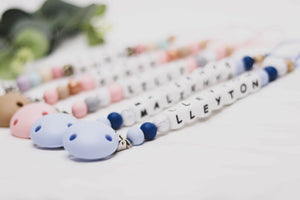



Do Amber Teething Necklaces Really Work? The Science, Benefits, and What Parents Should Know
Teething can be one of the most challenging stages of early childhood for both babies and parents. As families search for gentle and natural ways to comfort their little ones, many discover Baltic amber teething necklaces. But an important question often comes up before buying:
Do amber teething necklaces really work?
We’ll explore the science behind amber, the potential Baltic amber benefits, traditional European use, what parents report, and important safety considerations. This information can help you decide whether a Baltic amber necklace may be a good choice for your baby.

What Is Baltic Amber?
Baltic amber is not a crystal or gemstone. It is fossilised tree resin that formed more than 40 million years ago in ancient forests surrounding the Baltic Sea.
Over time, this resin hardened and preserved natural organic compounds. Today, Baltic amber is used to create jewellery including amber teething necklaces and bracelets that are worn against the skin.
One of the most interesting aspects of Baltic amber is that it contains a natural compound called succinic acid.

What Is Succinic Acid?
Succinic acid is a naturally occurring substance found in Baltic amber. It is also present in small amounts within the human body and in many plants.
Supporters of amber jewellery believe that when amber beads are worn against the skin, body warmth may help release trace amounts of succinic acid oils from the amber.
These oils are thought to interact with the skin and may help support the body’s natural calming and comfort processes.
Because of this belief, Baltic amber jewellery has traditionally been worn by babies during the teething stage.

Amber Teething Necklace Science: What Research Says
When discussing the amber teething necklace science, it is important to understand that scientific research is still developing.
Some laboratory studies have examined succinic acid and its potential biological effects, including anti-inflammatory properties. However, there is currently limited clinical research specifically proving that amber necklaces relieve teething pain when worn on the skin.
This means that while there is scientific interest in the properties of amber, more studies are needed to fully confirm how it may work in real-world use.
Because of this, amber necklaces are typically viewed as a natural complementary approach rather than a medical treatment.

Traditional Use of Baltic Amber in Europe
Long before modern teething products existed, families in many European countries used Baltic amber jewellery for babies and children.
For centuries, amber necklaces were traditionally worn in regions such as:
- Lithuania
- Germany
- Poland
- Russia
- Scandinavia
In these cultures, amber was believed to offer natural calming properties and was commonly worn for general wellbeing.
Today, Lithuania remains one of the main centres for authentic Baltic amber craftsmanship, where amber jewellery continues to be handmade using traditional methods.

What Parents Report About Baltic Amber
While scientific evidence is still evolving, many parents report positive experiences when using amber necklaces during the teething stage.
Some of the most commonly reported Baltic amber benefits include:
• Babies appearing calmer during teething
• Less drooling
• Reduced gum discomfort
• Improved sleep during difficult teething periods
Many parents also appreciate that amber necklaces offer a natural alternative to gels or medications, which is why interest in Baltic amber jewellery has grown significantly in recent years.
Of course, every baby is different, and experiences can vary.

Why Baltic Amber Necklaces Are Popular With Parents
Beyond the potential comfort benefits, amber necklaces have several features that make them appealing to families:
Natural Material
Baltic amber is a completely natural product formed millions of years ago.
Lightweight and Comfortable
Amber beads are extremely lightweight, making necklaces comfortable for babies to wear.
Beautiful and Unique
Each amber bead has natural variations in colour and shape, meaning every necklace is unique.
Long Tradition of Use
Amber jewellery has been used by families for generations across Europe.

Important Safety Considerations
When using any baby jewellery, safety should always come first.
If parents choose to use an amber necklace, it is important to follow recommended safety guidelines.
Look for Amber necklaces that include:
- Individually knotted beads to prevent bead loss
- A safety breakaway clasp that breaks or releases under pressure
- Proper sizing designed for babies
Parents should also follow these general safety practices:
- Always supervise babies when wearing jewellery
- Amber necklaces should be under clothing
- Remove necklaces during sleep and naps
- Remove necklaces during unsupervised play
These precautions help ensure the necklace is worn safely.

Choosing Authentic Baltic Amber
Another important factor is ensuring the amber is genuine Baltic amber.
Authentic Baltic amber typically:
- Comes from the Baltic region of Europe
- Has natural colour variation
- Feels room temperature, unlike plastic. Baltic Amber Clasps are made from plastic and will feel different to the touch before worn.
- gemstones are cool to the touch before being worn
- Is handcrafted rather than moulded
Because amber jewellery has grown in popularity, some products on the market are made from plastic or synthetic materials, so buying from a trusted supplier is important.

How to Tell If Baltic Amber Is Genuine: The Blue Light Test
With the growing popularity of amber jewellery, many parents want to know how to tell if Baltic amber is real. One of the simplest ways to check amber at home is the blue light or UV (black light) test.
The Blue Light/ Black Light / UV Test
Authentic Baltic amber reacts to ultraviolet light in a unique way.
When you shine a UV black light or blue light torch onto genuine Baltic amber, the beads will typically glow or fluoresce with a soft greenish, yellow, or bluish tone. This reaction happens because of the natural organic compounds within real amber.
To try this test at home:
- Use a UV black light torch or blue light source.
- Shine the light directly onto the amber beads in a dark room.
- Observe how the beads react.
Genuine Baltic amber will glow under UV light, while plastic or synthetic materials often appear dull or show no fluorescence. The Clasp will show as plastic and will not glow.
Why Cherry Amber Can Be Harder to See
Some amber colours are easier to observe during the UV test than others.
For example, cherry Baltic amber, which is a darker reddish tone, may show a more subtle glow under black light. This can sometimes make the reaction harder to notice for someone unfamiliar with amber.
However, even darker amber varieties will usually produce a faint glow or internal fluorescence when exposed to UV light.

A Helpful Tip
The blue light test is a quick indicator, but it should not be the only way to confirm authenticity. Genuine Baltic amber also typically has:
- Natural colour variation
- A warm, lightweight feel
- Slight internal inclusions or texture
- Individually crafted beads rather than moulded plastic
Purchasing amber jewellery from a trusted supplier who sources authentic Baltic amber from the Baltic region like Zebra Babies is the best way to ensure you are receiving genuine amber.
Final Thoughts: Do Amber Teething Necklaces Work?
So, do amber teething necklaces really work?
The answer depends on perspective. We ask our parents to do their research, ask other mums for the best research.
Scientific research on the amber teething necklace science is still developing, and more studies are needed to fully confirm the mechanism behind it. However, Baltic amber has been used traditionally in Europe for centuries, and many parents report positive experiences when their babies wear amber jewellery.
For families seeking a natural and gentle option during the teething stage, Baltic amber necklaces remain a popular choice.
When selecting amber jewellery, choosing authentic Baltic amber that is carefully handcrafted with safety features is essential.
If you’re exploring natural baby products and would like to learn more about authentic Baltic amber necklaces and bracelets, choosing a trusted supplier ensures you receive genuine amber sourced from the Baltic region and crafted with safety in mind.

Important Safety Information
Amber teething necklaces and bracelets are traditional jewellery items worn by babies and children and should always be used with adult supervision and responsibly.According to guidance from the Australian Competition and Consumer Commission (ACCC) and Product Safety Australia, parents and carers should be aware that teething necklaces and bracelets may pose a choking or strangulation risk if used incorrectly.
For this reason, it is important to follow these safety recommendations:
- Always supervise babies and young children while they are wearing amber jewellery.
- Remove necklaces or bracelets during sleep, including naps and overnight sleep.
- Do not allow babies to chew or suck on amber beads. Amber jewellery is designed to be worn against the skin, not used as a teething toy.
- Ensure jewellery includes safety features such as individually knotted beads and a breakaway clasp.
Parents should always use their own judgement when deciding whether amber jewellery is appropriate for their child and seek professional medical advice.
Medical Disclaimer
Baltic amber jewellery is often worn as a traditional natural accessory during the teething stage, however it is important to note that amber jewellery is not a medical device.The Therapeutic Goods Administration (TGA) advises that amber teething necklaces and bracelets are not approved medical treatments and are not included on the Australian Register of Therapeutic Goods (ARTG).Any information regarding traditional use, succinic acid, or potential benefits is based on historical use and anecdotal reports from parents, and should not be considered medical advice.If you have concerns about your baby’s health or teething symptoms, it is recommended to consult a qualified healthcare professional.